October 14, 2026
Agricultural efficiency depends on how well equipment supports the work that needs to happen throughout the season. A tractor must suit its everyday workload, while harvesting machinery needs to keep pace when crops are ready. Even dependable machines can create delays if their capabilities do not fit the operation or if the equipment used alongside them creates a bottleneck. Choosing machinery therefore involves looking beyond an individual machine to the way the farm works as a whole.
The choice of a farm equipment supplier influences that process through the machines available, their condition before purchase, access to replacement parts, and delivery options. Those factors affect how readily a purchase can become part of ordinary farm operations. A useful selection supports today's workload while remaining relevant as acreage, crop choices, or equipment needs change. Over time, that fit can help farmers complete work more consistently and make better use of available labor and field conditions.
Match Equipment to the Actual Workload
Equipment selection starts with the tasks that place the greatest demands on the farm's existing machinery. A tractor used across several activities needs capabilities suited to those jobs, while a grain drill serves a more specific purpose through consistent seed placement. Intended use gives each purchase a clear role in the operation and a basis for comparing suitable machines. The farm's available labor and the timing of seasonal tasks also shape how useful that equipment will be during the year.
A broad inventory gives farmers more room to compare options within the equipment category they need. Differences between available tractors or combines matter because farms vary in acreage, field conditions, and seasonal workloads. The right farm equipment supplier makes those choices available without requiring the farmer to base a decision on a single machine. The recurring jobs deserve particular weight, because a machine that suits a rare task may still be a poor fit for daily use. For a tractor, the useful comparison centers on the jobs it will handle most often; for harvesting machinery, it includes the crop and the equipment working alongside it.
Give Equipment Condition Proper Weight
Equipment condition affects whether a machine with the desired features is a suitable choice for the farm. A tractor or combine can match the intended workload on paper, but the purchase also deserves consideration as an individual piece of machinery. Pre-sale inspection and testing add a condition check to that comparison, reflecting the seller's standards for equipment offered to buyers. For a farm planning to put a purchase into seasonal use, both its capabilities and its condition belong in the decision.
Reliability matters especially when several activities depend on one machine being available. A tractor interruption can affect more than a single task if the same tractor serves different needs throughout the week. Choosing a farm equipment supplier that inspects and tests equipment before sale gives buyers a meaningful quality consideration beyond appearance alone. Condition and capability deserve consideration together, particularly for equipment expected to handle repeated tasks across several seasons.
Consider How Harvesting Equipment Works Together
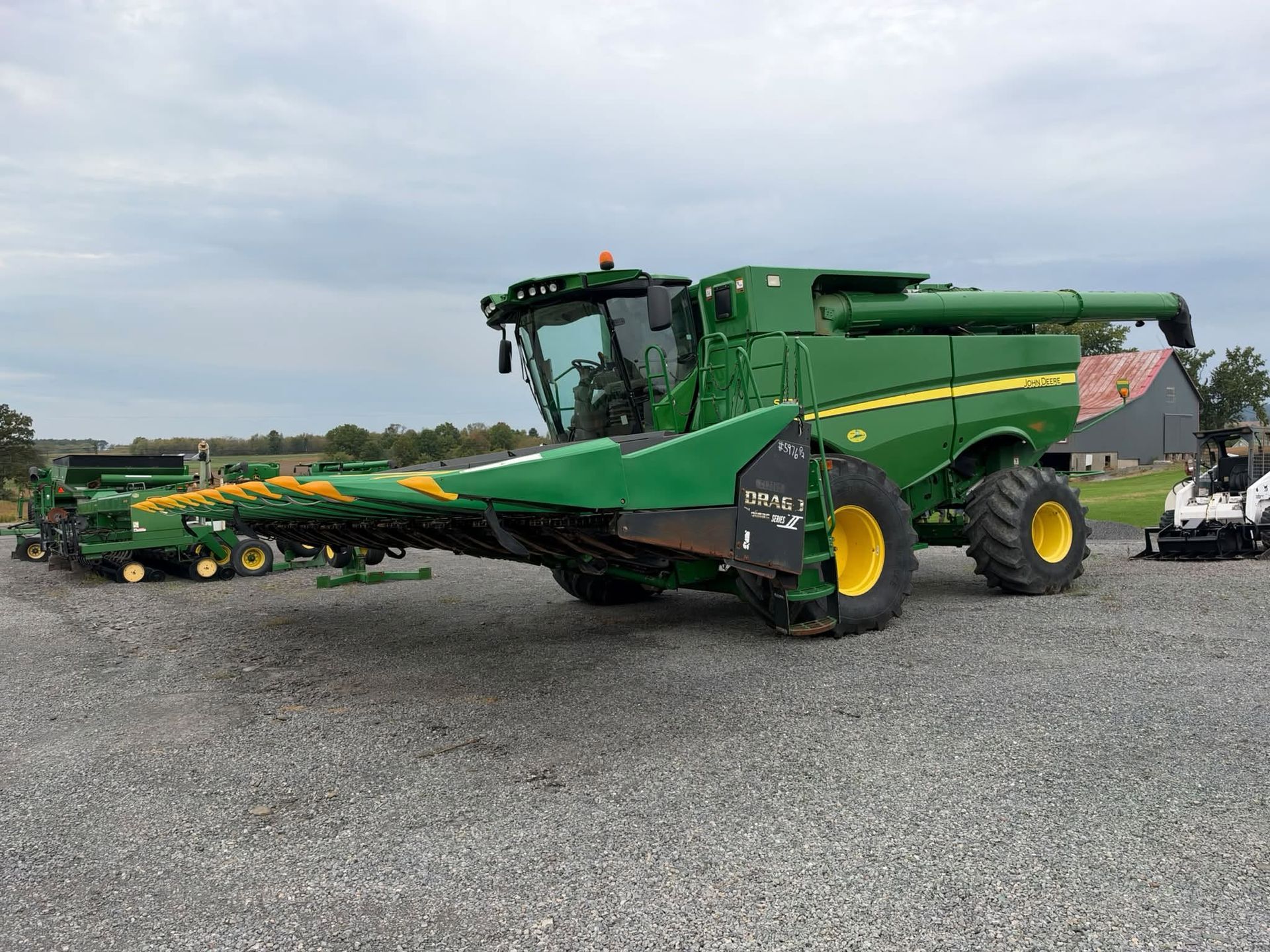
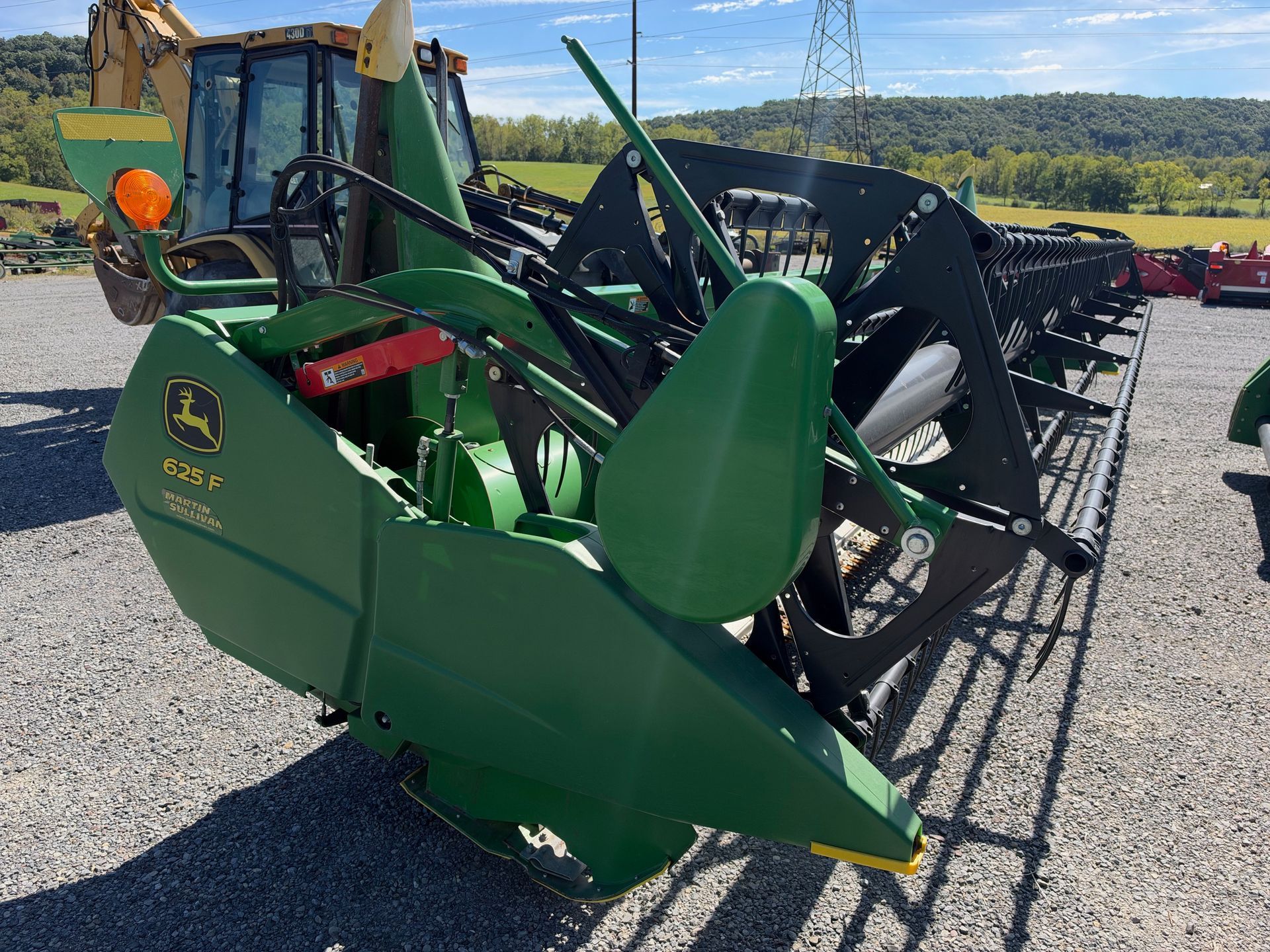
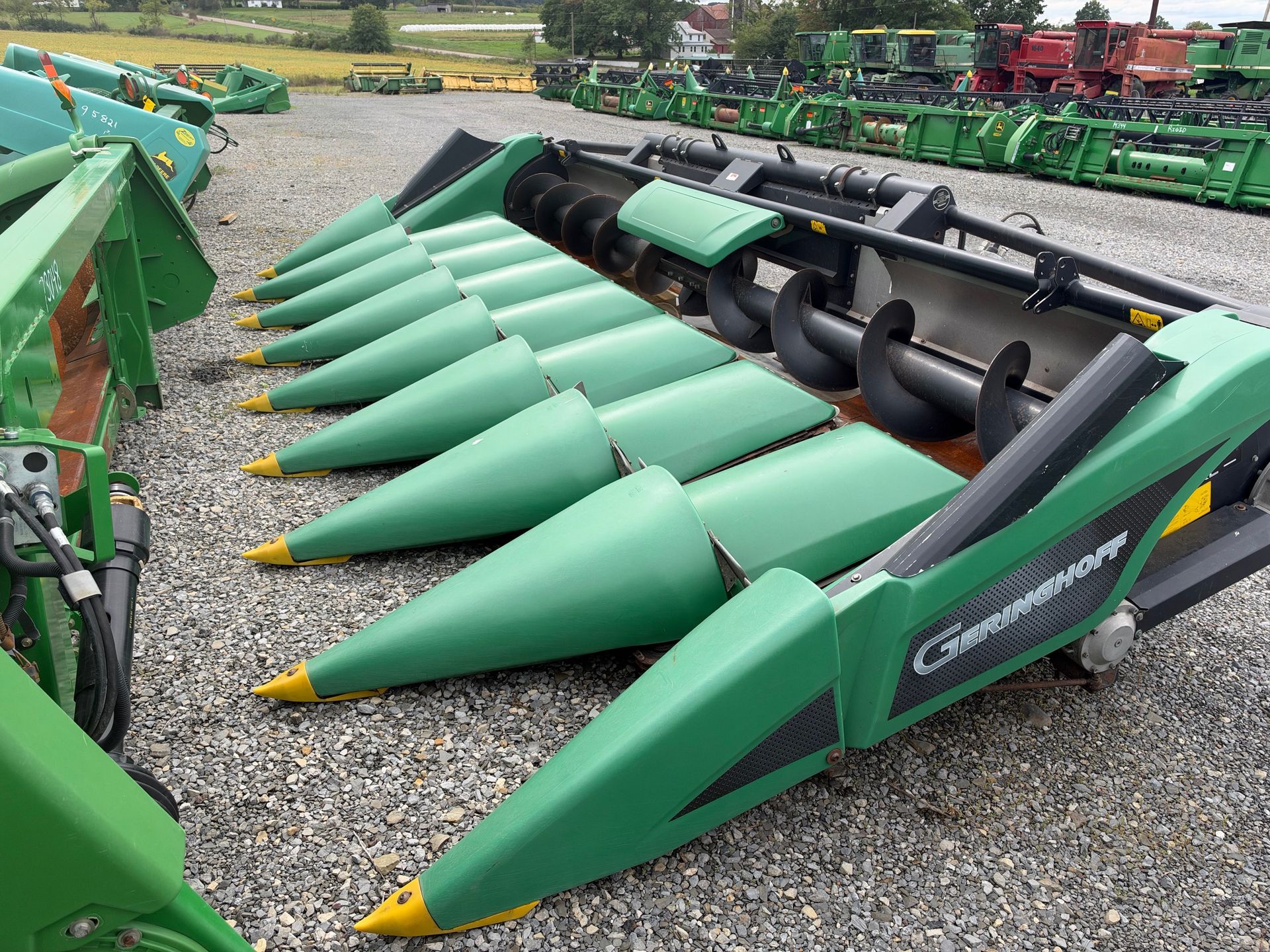
Harvest efficiency depends on the relationship between machines as much as on the performance of any one component. A combine, its harvesting head, and the equipment handling grain each contribute to the pace of work. Grain heads and corn heads serve different harvesting needs, making crop suitability and compatibility important parts of selection. Looking at the complete arrangement helps farmers choose equipment that supports an orderly flow from harvesting to grain handling.
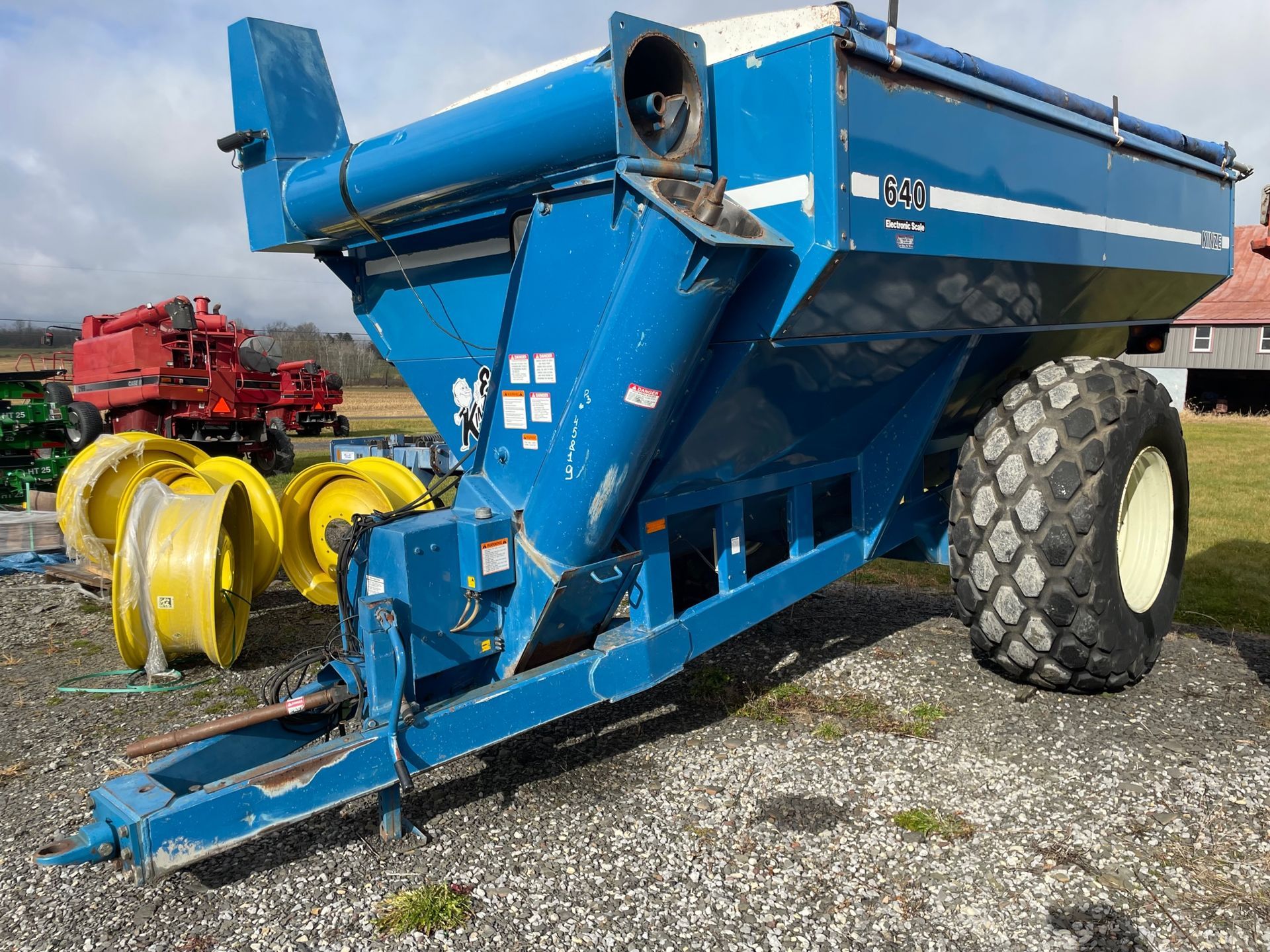
Grain carts illustrate why supporting equipment deserves attention in the buying decision. Their role in managing grain flow and unloading can help keep harvest moving, particularly when delays between stages interrupt fieldwork. A farm equipment supplier with combines, heads, and grain carts available gives farmers options for addressing those connected needs. Rugged construction and smooth unloading matter in that choice because a cart needs to support repeated grain handling during busy fieldwork.
Keep Replacement Parts Within Reach
An equipment purchase creates needs that continue well beyond the day the machine arrives. Over time, replacement components may be needed to keep tractors, combines, and other machinery operating. Access to filters, engine components, electrical parts, and other essential items makes parts availability relevant to the original buying decision. Farmers benefit from considering how replacement components can be identified and ordered for the particular equipment they choose. Specific equipment identification matters here: a familiar brand name alone does not establish that a component fits the machine requiring it.
An external parts platform offers a way to find and order components for equipment already in use on the farm. Searches by equipment type, part number, or category help focus the search on relevant components for tractors, combines, hay tools, and other machinery. For a farm equipment supplier, access to replacement parts extends the usefulness of the purchasing relationship beyond equipment selection. Returning to that resource as component needs arise keeps parts access relevant throughout the machine's working life, even when the farm uses several types of equipment.
Coordinate Purchases With Seasonal Needs
Delivery options influence how an equipment purchase fits into the farm's schedule. Transporting a tractor or combine involves a different logistical challenge from obtaining smaller supplies, so delivery availability deserves attention while the purchase is being considered. Arranging delivery through the seller can make the acquisition more practical when the desired machine is located away from the farm. The relevant details include the equipment involved, the delivery arrangements, and how its arrival relates to upcoming work.
An approaching planting or harvest period makes delivery details particularly relevant to an equipment purchase. Farmers can ask about delivery availability while considering when the equipment will be needed for upcoming fieldwork. The arrival of another tractor or combine also has to fit around work already taking place on the farm. Addressing those arrangements during the buying process helps keep transportation connected to the equipment's intended use and the farm's seasonal schedule.
Plan for Continued Agricultural Demand
Long-term equipment planning also considers the work a farm expects to undertake in future seasons. Changes in acreage, crop mix, or the way grain is handled can alter which machines are most useful. The selection offered by a farm equipment supplier matters again when those needs change. Farmers can consider whether the next purchase should address a new task, replace an existing machine, or improve the pace of a stage that is limiting the operation.
The demands placed on farm equipment reflect the markets an operation serves as well as the acreage it works. According to the American Farm Bureau Federation, a USDA World Agricultural Supply and Demand Estimates (WASDE) projection placed total U.S. beef consumption in 2026 at 29.38 billion pounds, an increase of 1.3%, or 390 million pounds, over 2025. For farms producing feed grain, dependable planting and harvesting support their contribution to the livestock operations serving those markets. Matching equipment to the acreage and timing of that work helps maintain the farm's ability to supply its market over successive seasons.
Long-term efficiency grows from purchasing decisions that continue to make sense after the first season of use. Machinery that fits the operation gives farmers a stronger basis for keeping work consistent as their needs develop. At Zeisloft Farm Equipment, we offer inspected and tested machinery and access to replacement parts to support equipment needs beyond the initial purchase. Contact us to discuss equipment options for the work ahead on your farm.