November 11, 2026
Agricultural productivity depends on having the right tools available when they are needed most. From planting and cultivating to harvesting and transporting materials, machinery plays an important role in keeping daily operations moving. However, aging equipment, frequent breakdowns, and inefficient performance can make seasonal workloads more difficult and expensive to manage. Investing in updated machinery can help farmers improve productivity, reduce maintenance challenges, and make better use of available resources. Understanding how equipment upgrades affect daily operations and long-term financial performance can help agricultural businesses make informed purchasing decisions that support continued growth.
1. Improve Efficiency During Busy Seasons
Agricultural work often follows seasonal schedules that leave little room for unnecessary delays. Planting and harvesting activities must be completed within appropriate windows, making equipment reliability especially important. Machinery that operates efficiently helps farmers complete essential tasks without losing valuable time to avoidable interruptions.
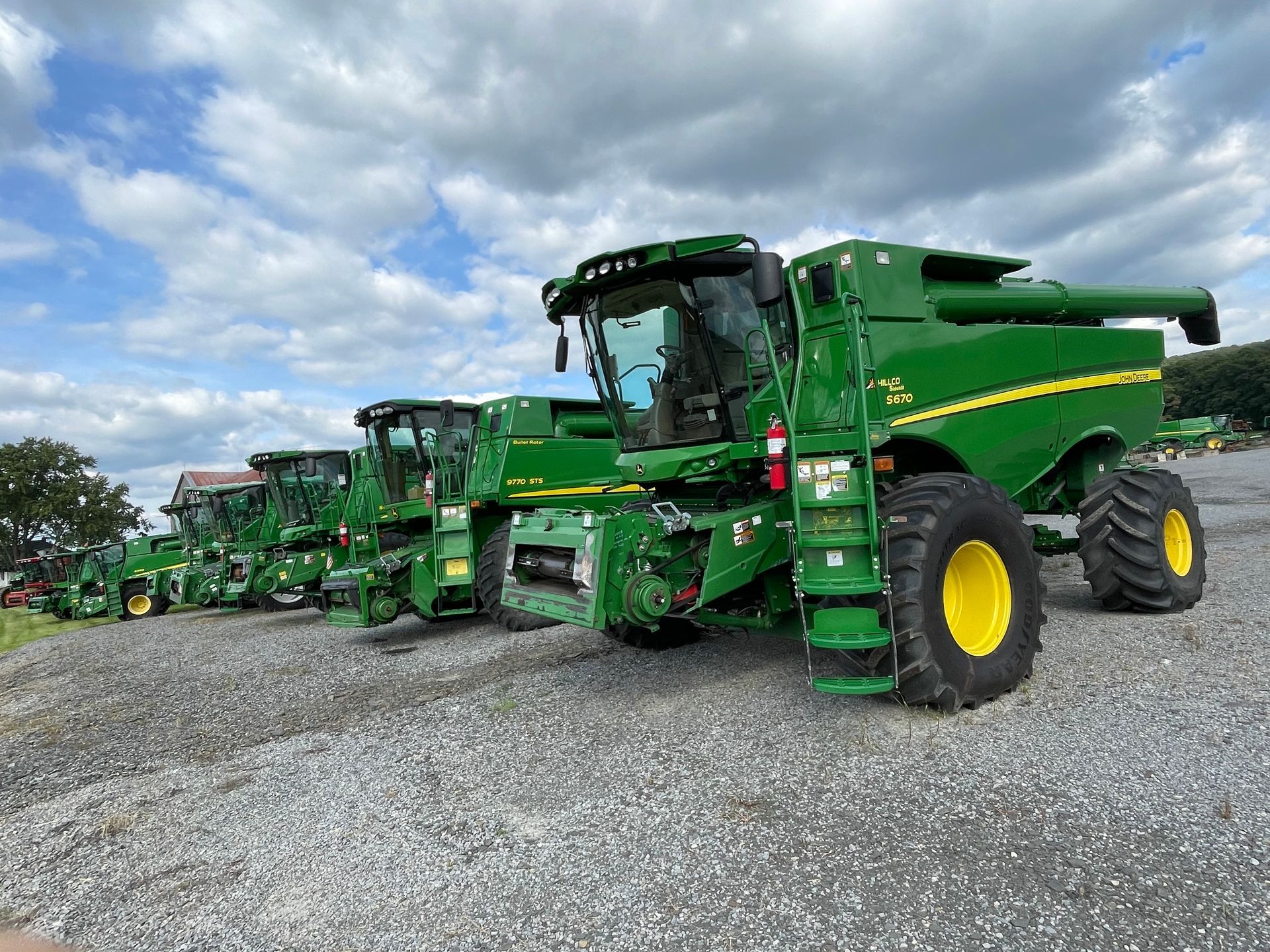
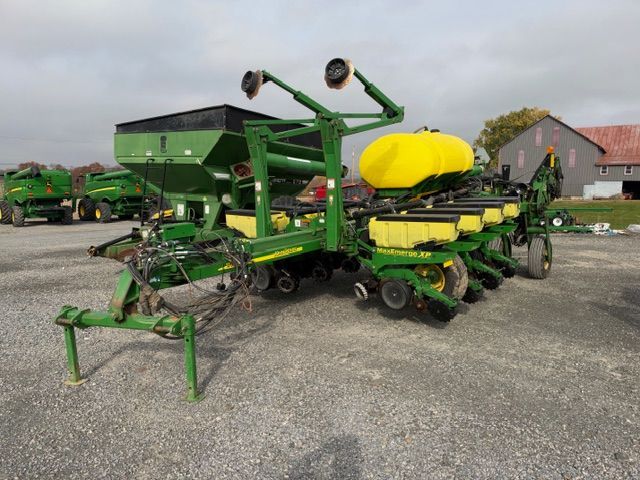
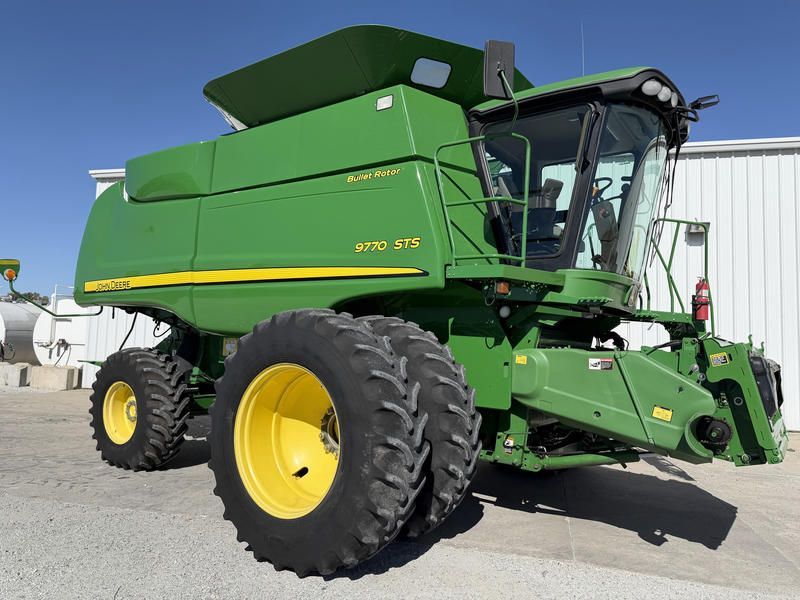
Modern farm equipment can offer improved operating capabilities that help streamline demanding agricultural responsibilities. Updated tractors, harvesters, planters, and other machinery may provide features designed to improve precision, reduce unnecessary labor, and support more consistent field performance.
Efficiency also involves how easily equipment fits into existing workflows. Machinery that performs multiple functions or offers convenient adjustments can help operators transition between tasks without excessive setup time. This flexibility can be particularly valuable when weather conditions or changing field requirements affect daily schedules.
Upgrading equipment should involve evaluating how machinery will contribute to actual operational needs. Rather than focusing exclusively on additional features, farmers should consider whether a potential purchase will make routine work more manageable and improve overall productivity.
2. Reduce Unexpected Repair Expenses
Maintenance costs can become a significant concern when agricultural machinery begins showing signs of age. Worn components, recurring mechanical problems, and outdated systems may require frequent repairs that interrupt operations and place additional pressure on farm budgets.
According to the Bureau of Labor Statistics data, the cost of repairing farm machinery increased by 41% between 2020 and 2024, representing a substantial rise compared with expenses from two decades earlier. These rising costs highlight why evaluating the condition and long-term maintenance requirements of existing machinery is important.
Although purchasing updated equipment requires an initial financial commitment, it may help reduce certain repair-related expenses. Newer machinery can offer improved components, updated technology, and manufacturer support that make maintenance more predictable. However, equipment still requires routine inspections and appropriate servicing to maintain dependable performance.
Farmers should compare the expected cost of maintaining older machinery with the purchase and operating expenses associated with an upgrade. This evaluation can help determine whether continuing to repair existing equipment remains financially practical or whether replacement offers greater long-term value.
3. Increase Precision and Operational Control
Precision is an important part of efficient agricultural production. Planting depth, seed placement, application rates, and field coverage can all influence how effectively available resources are used. Equipment that provides greater operational control can help farmers complete these activities more consistently.
Modern farm equipment may incorporate technology that assists with navigation, monitoring, and machine adjustments. Depending on the model, available features can help operators maintain accurate field patterns, monitor operating conditions, and make adjustments based on changing requirements.
Greater precision can also help limit unnecessary resource consumption. When machinery distributes materials more consistently, farmers may have better control over seed, fertilizer, fuel, and other operating inputs. Improving how these resources are used can support more efficient agricultural management.
Technology should always be evaluated according to the needs of the operation. Some farms may benefit from advanced monitoring and automated controls, while others may prioritize straightforward machinery with dependable performance. Selecting equipment that provides useful functionality without unnecessary complexity helps ensure that upgrades contribute meaningful value.
4. Minimize Downtime and Seasonal Delays
Equipment breakdowns can create significant disruptions during critical agricultural activities. A tractor that stops operating during field preparation or a malfunctioning harvester during harvest can delay work and affect the entire operation. These interruptions may also create additional expenses when repairs require specialized parts or outside assistance.
Replacing unreliable machinery can help reduce the likelihood of recurring mechanical interruptions. Updated equipment may provide improved operating systems and more dependable components, allowing farmers to approach demanding seasonal workloads with greater confidence.
Reliable farm equipment also helps improve scheduling. When machinery is available and operating properly, workers can coordinate field activities more effectively and allocate their time toward productive responsibilities rather than unexpected troubleshooting.
However, purchasing new machinery does not eliminate the importance of preventive maintenance. Regular inspections, lubrication, cleaning, and manufacturer-recommended servicing remain essential. Establishing a consistent maintenance routine helps protect equipment investments and reduces the likelihood of avoidable performance problems.
5. Improve Labor Management and Operator Comfort
Agricultural operations depend on effective labor management, particularly when workloads increase during planting and harvesting seasons. Machinery that is difficult to operate or requires frequent manual adjustments can make everyday responsibilities more demanding for employees.
Updated equipment may include ergonomic seating, improved visibility, simplified controls, and features that reduce repetitive physical tasks. These improvements can make extended operating periods more comfortable while helping operators maintain better control over machinery.
Modern farm equipment can also help reduce the amount of manual labor required for certain activities. Automated functions, monitoring systems, and specialized attachments may allow operators to accomplish tasks more efficiently without constantly switching tools or performing unnecessary adjustments.
When evaluating an upgrade, farmers should consider the people who will operate the machinery regularly. Training requirements, accessibility of controls, maintenance procedures, and overall ease of use can influence how successfully equipment fits into daily operations.
A machine that performs well but creates unnecessary operating difficulties may not provide the expected productivity improvements. Selecting equipment that supports both operational efficiency and operator comfort can contribute to a more manageable work environment.
6. Evaluate Long-Term Return on Investment
Purchasing agricultural machinery should involve more than comparing initial prices. Farmers need to consider how an upgrade will affect productivity, operating expenses, maintenance requirements, and the overall financial performance of the business.
A machine that improves field efficiency may help operations complete important work with less wasted time. Similarly, equipment that reduces recurring repairs can help make maintenance spending more predictable. These potential advantages contribute to the overall value of an investment.
When comparing farm equipment options, it is important to evaluate expected operating costs alongside purchase price. Fuel consumption, replacement parts, service availability, warranties, and financing arrangements can all influence the long-term cost of ownership.
Farmers should also consider whether an upgrade will remain useful as operational needs change. Machinery that offers flexibility, compatible attachments, and practical technology may provide value beyond its immediate purpose. Equipment should support current requirements while allowing room for future adjustments.
Ultimately, a worthwhile investment is one that contributes measurable improvements to the operation. Careful research and an understanding of daily agricultural demands can help farmers select machinery that supports productivity without placing unnecessary pressure on their budgets.
Upgrading agricultural machinery can be an important step toward improving seasonal efficiency, reducing maintenance challenges, and strengthening long-term operational performance. The right investment can help farmers spend less time dealing with equipment problems and more time accomplishing essential work. Whether replacing aging machinery or expanding an existing operation, choosing dependable equipment matters. Contact Zeisloft Farm Equipment to explore available machinery options and find equipment that helps keep your agricultural operation productive and prepared for the seasons ahead.